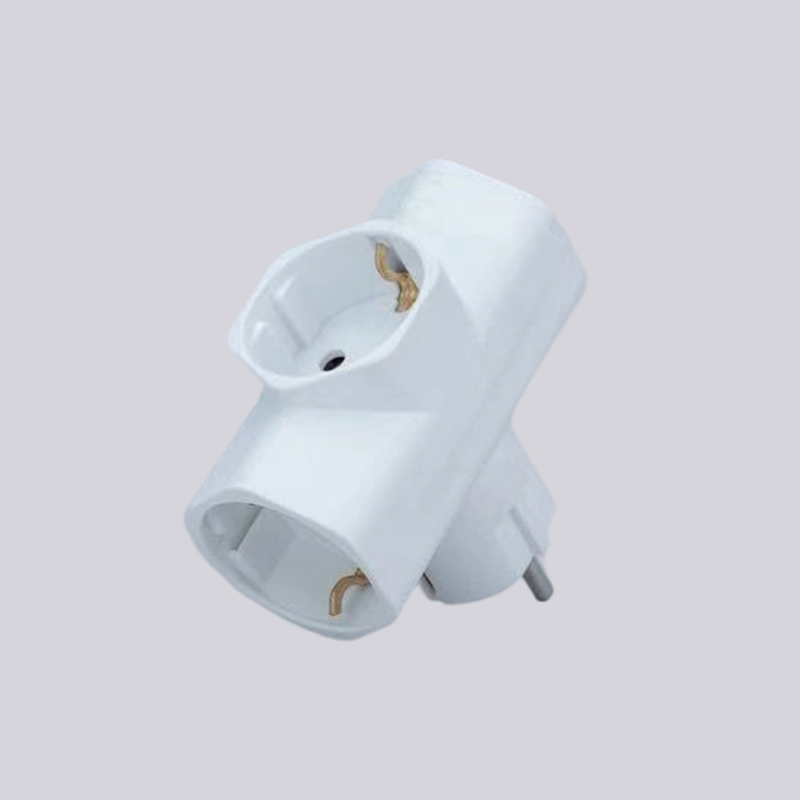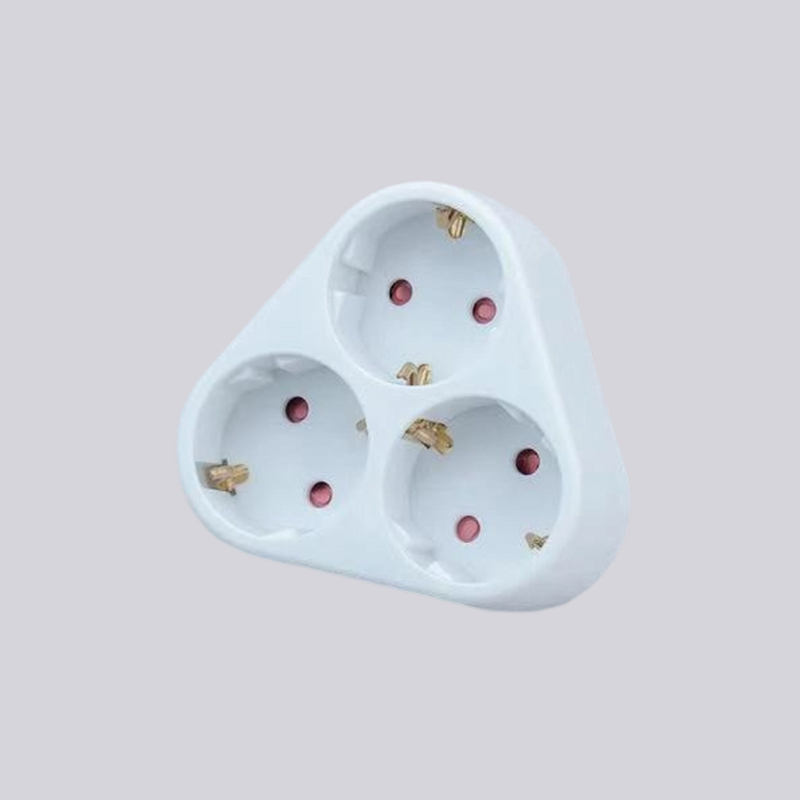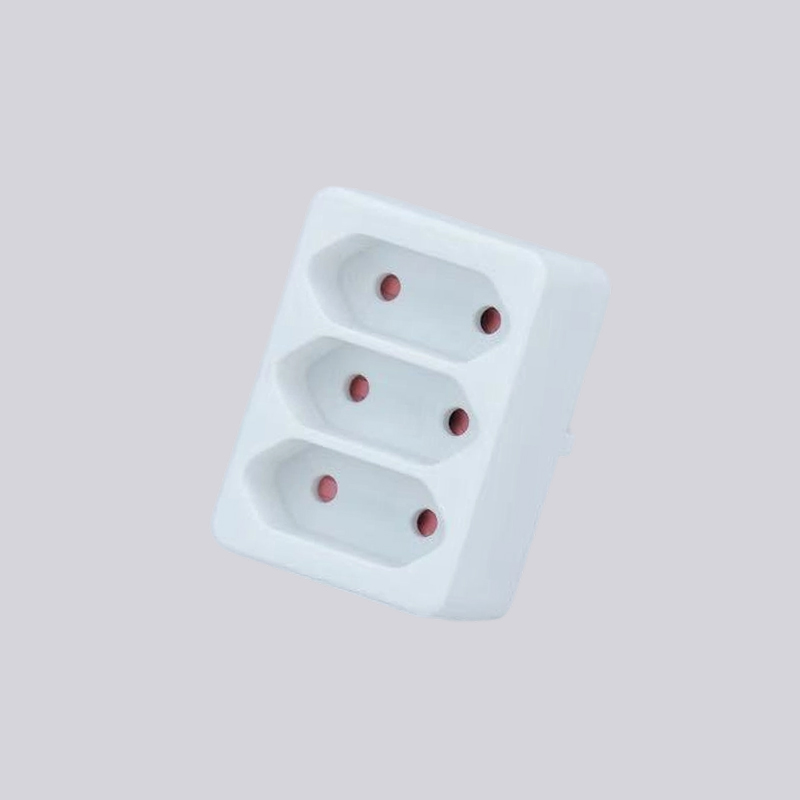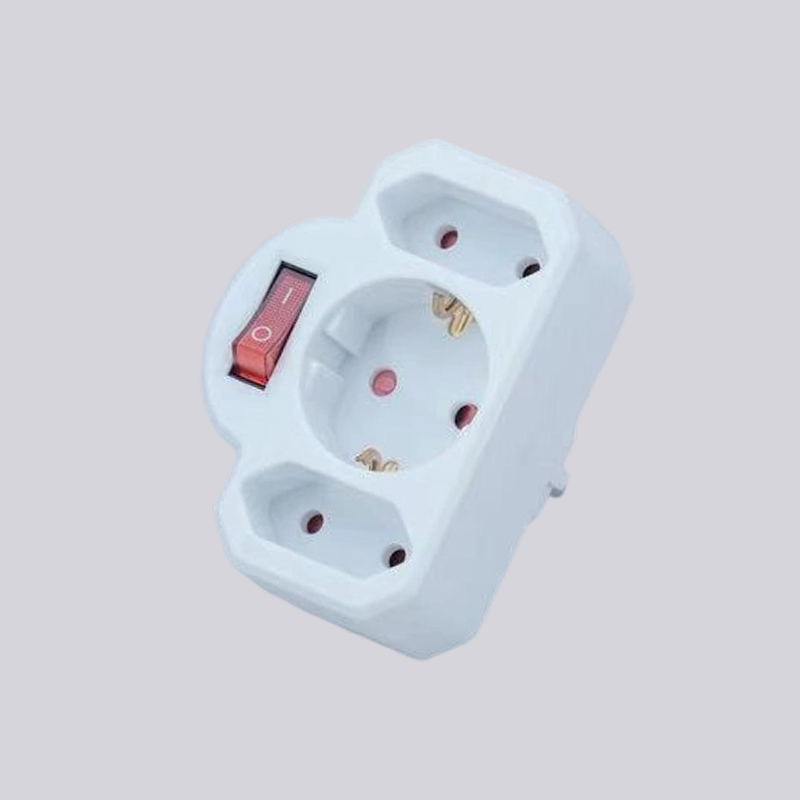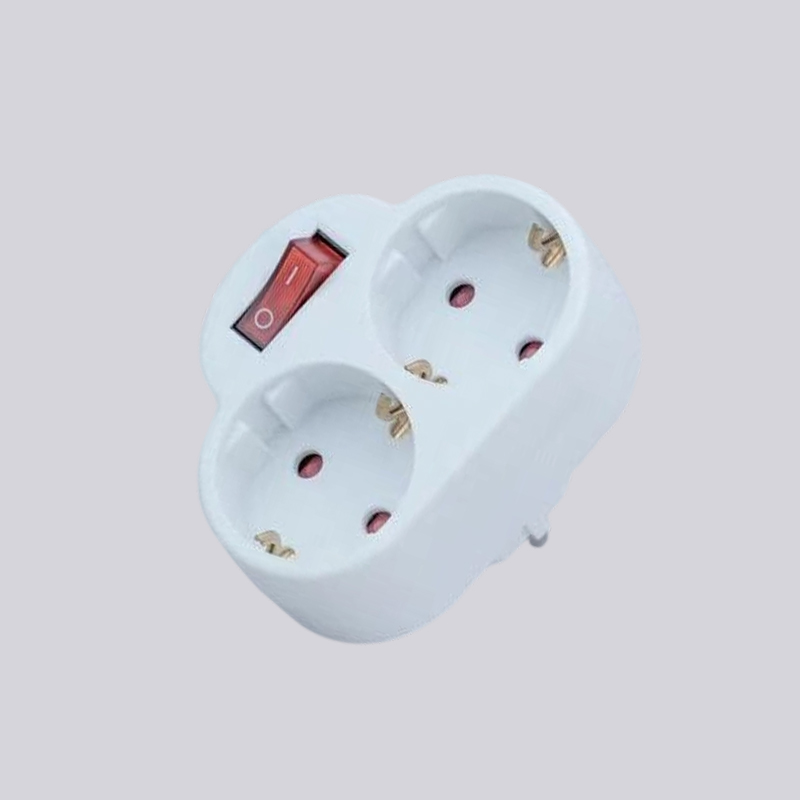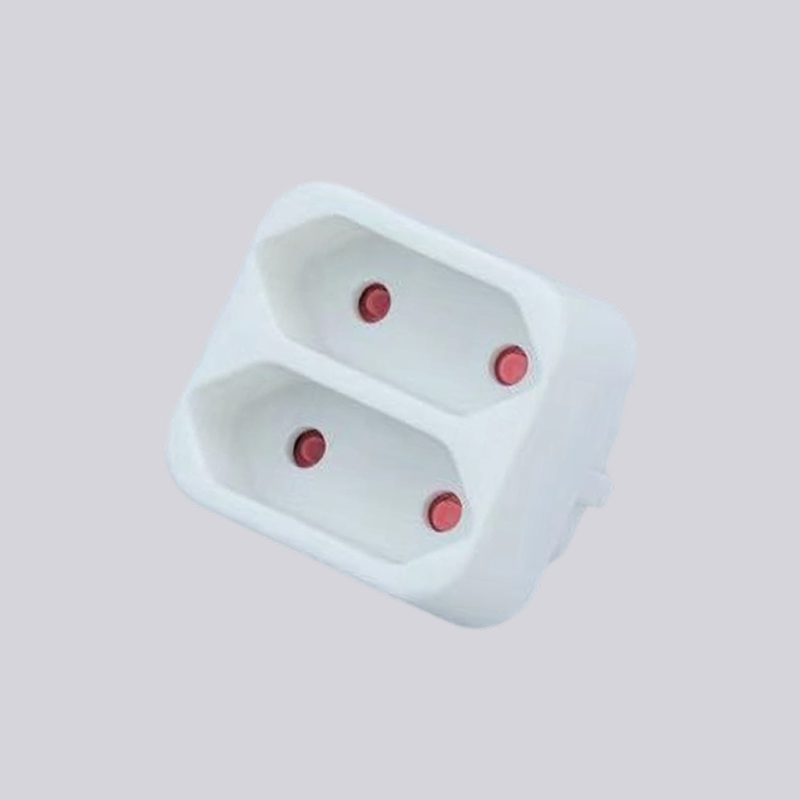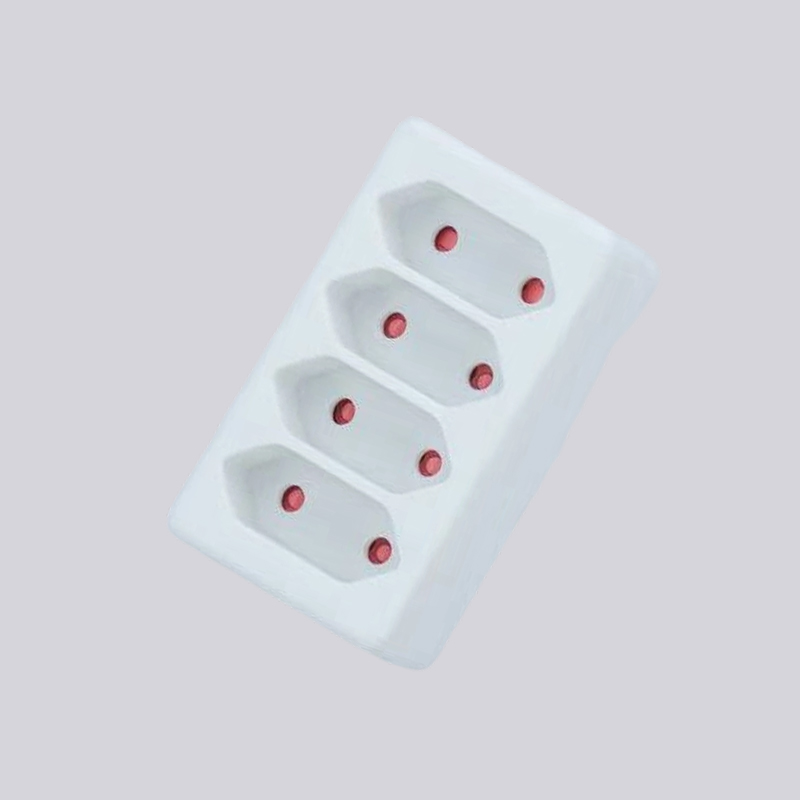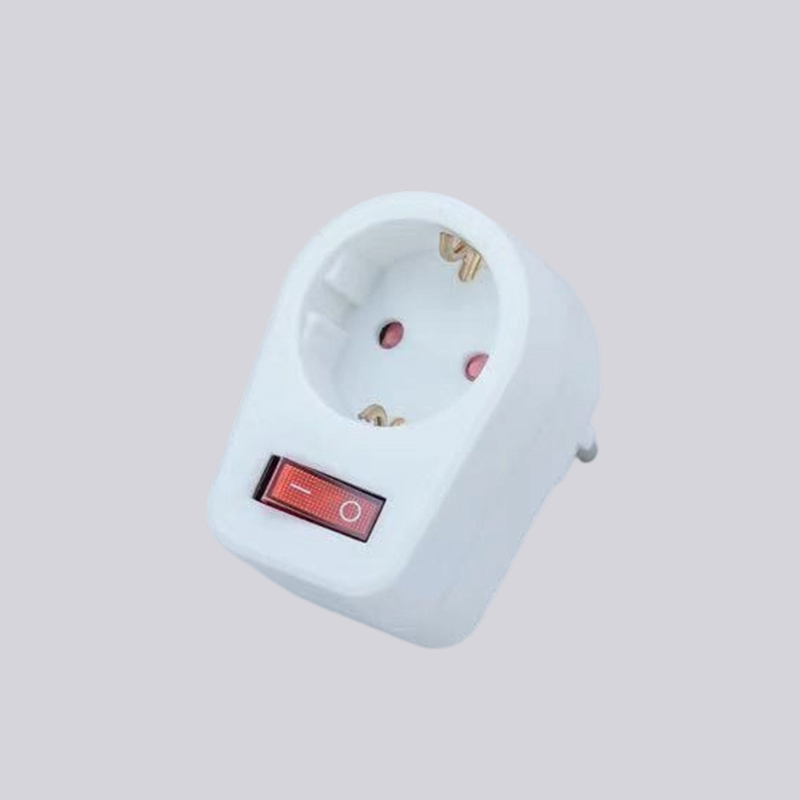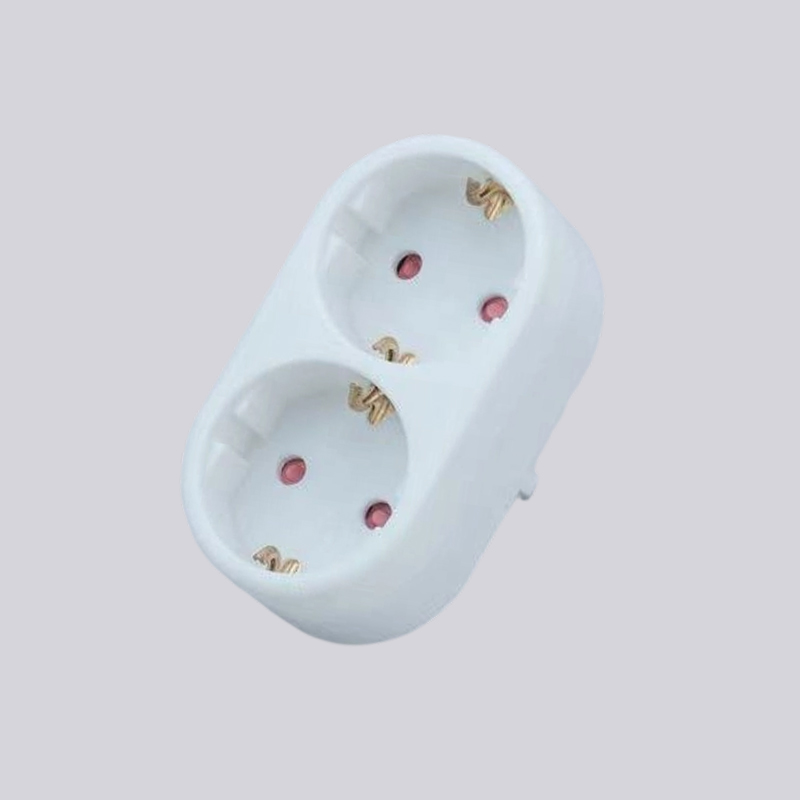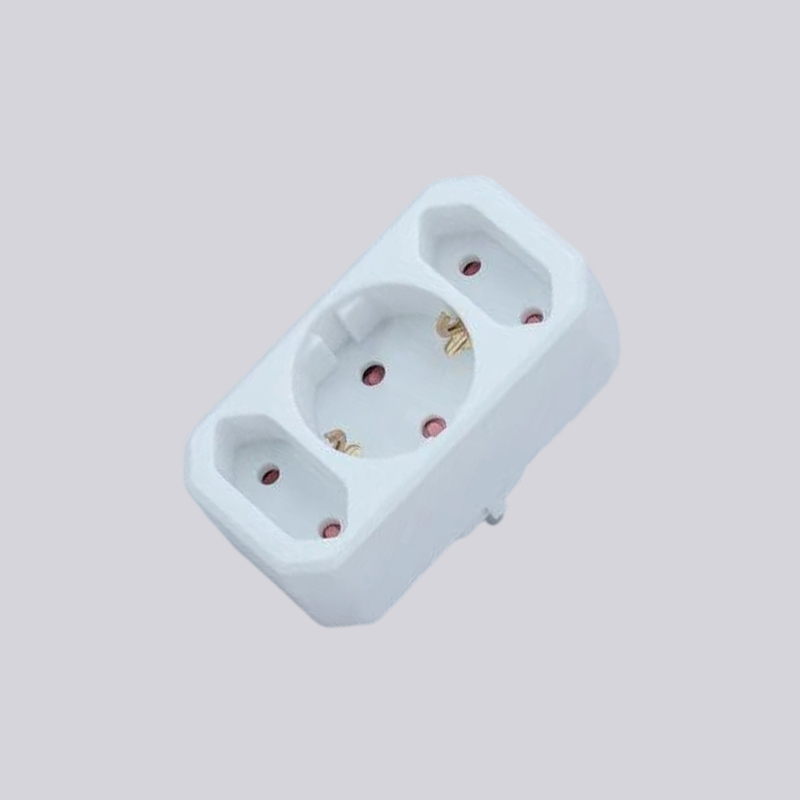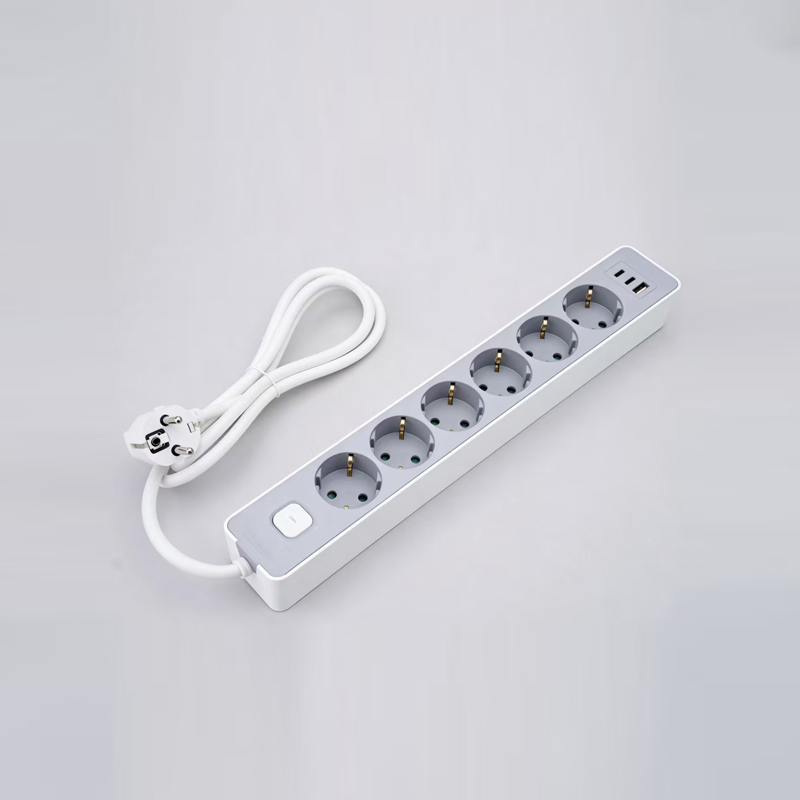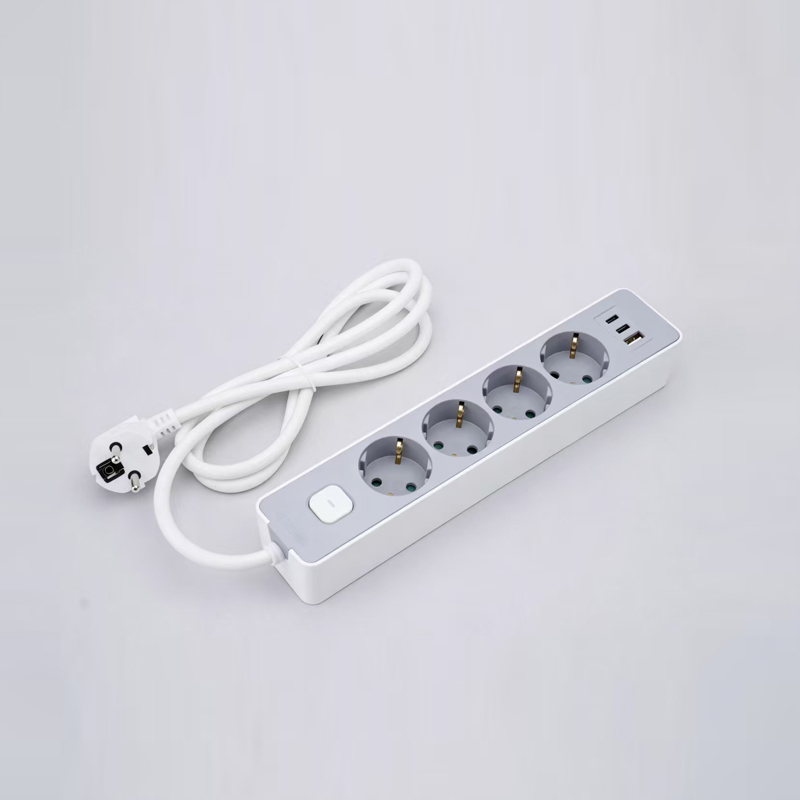





For a Europe cruise, you need a power strip that is dual-voltage (100–240V), surge-protector-free or clearly labeled as a non-surge model (most cruise lines ban surge protectors), fitted with a Type C or Type C/F Schuko adapter for European outlets, and compact enough to fit in a carry-on. The single most practical option is a flat-plug, multi-outlet travel power strip with USB-A and USB-C ports, no surge protection circuitry, and a cord length of at least 1.5 meters — because cabin outlet placement on cruise ships is notoriously inconvenient. Get those four criteria right and you will never fight over charging ports or hunt for adapters again, from Barcelona to the Norwegian fjords.
Why Choosing the Right Power Strip for a Europe Cruise Is More Complicated Than It Sounds
A Europe cruise introduces three distinct electrical challenges simultaneously: European outlet standards, cruise ship power rules, and the need to charge multiple devices in a cabin with as few as one accessible outlet. Most travelers pack a power strip without thinking through any of these factors and either find it confiscated at embarkation or discover it will not physically fit in the ship's wall socket.
Europe operates on 220–240V, 50Hz electricity — roughly double the 110–120V, 60Hz standard used in North America. Plugging a North American appliance directly into a European outlet without voltage conversion will damage or destroy it instantly. Cruise ships add a further layer of complexity: most modern vessels supply both 110V American-style outlets and 220V European outlets in cabins, but the configuration varies significantly by ship and cruise line. Some ships built primarily for European markets offer only 220V outlets in cabins. Knowing your ship's outlet configuration before packing is as important as knowing the European standard itself.
Finally, virtually every major cruise line — including those operating European itineraries — explicitly bans power strips with built-in surge protectors. The reason is technical: surge-protection circuitry can interfere with shipboard electrical systems, which are isolated from shore power and run on carefully managed generator output. Bringing a banned strip risks confiscation during the cabin safety inspection that typically occurs within hours of embarkation, leaving you without the very tool you packed.
What Outlet Types Will You Encounter on a Europe Cruise?
On a Europe cruise you will encounter two distinct outlet environments: the ship's cabin outlets (a mix determined by the vessel's registration and build), and port-side outlets in European countries, which use Type C, Type E, or Type F plugs at 220–240V.
European Outlet Types by Country
| Outlet Type | Countries | Voltage | Pin Description |
| Type C (Europlug) | Most of continental Europe | 220–240V | 2 round pins, no grounding |
| Type F (Schuko) | Germany, Austria, Netherlands, Norway, Sweden, Finland, Greece | 220–240V | 2 round pins + grounding clips |
| Type E | France, Belgium, Poland, Czech Republic | 220–240V | 2 round pins + round grounding hole |
| Type G | United Kingdom, Ireland, Malta, Cyprus | 230V | 3 rectangular pins |
| Type L | Italy, San Marino | 230V | 3 round pins in a line |
Table 1: Outlet types and voltages across common European cruise destinations. Type C and Type F Schuko adapters cover the vast majority of continental European ports.
Outlet Configuration Inside Cruise Ship Cabins
Most modern cruise ships built for international itineraries provide at least one 110V North American outlet and one 220V European outlet in each cabin, though the number of outlets ranges from just one of each to three or four total depending on ship age and category. Older vessels built before 2005 and those registered primarily for European markets may offer only 220V European outlets. Interior and ocean-view cabins typically have fewer outlets than balcony or suite categories on the same ship. Checking your specific ship's cabin specifications on the cruise line's website — or calling the line directly — before packing takes five minutes and prevents significant inconvenience.
What Are the Cruise Line Rules About Power Strips?
The universal rule across virtually all major cruise lines is that power strips with surge protectors are prohibited, while simple non-surge power strips and multi-outlet adapters are generally permitted — but always verify with your specific cruise line before embarkation.
Surge protectors contain metal oxide varistors (MOVs) — components that absorb and redirect voltage spikes to ground. On a standard household circuit, this is entirely safe. On a ship's isolated electrical system, the same component can create ground-fault conditions that trip the ship's safety breakers or interfere with load-balancing across generators. This is why the ban is so consistent across lines and not merely a bureaucratic policy.
Some cruise lines go further and restrict the total number of outlets on any extension device (typically to a maximum of 4 outlets), prohibit devices with USB ports that draw more than 2.1A per port, or require that any power strip used on board be UL-listed or CE-marked. The safest approach is to pack a power strip that is explicitly marketed as a travel power strip without surge protection, is UL-listed and CE-marked, and has no more than 4 outlet slots. This configuration is permitted on every major cruise line currently operating European itineraries.
| Feature | Allowed on Cruise Ships | Notes |
| Surge Protection | No | Will be confiscated at cabin inspection |
| Non-surge multi-outlet strip | Yes (most lines) | Max 4 outlets recommended |
| USB charging ports (built-in) | Yes (most lines) | Some lines cap at 2.1A per port |
| Extension cords (no outlet block) | Sometimes | Varies by line; safer to use a strip |
| UL / CE certification | Required or strongly preferred | Uncertified strips may be refused |
| Dual-voltage (100–240V) device | Yes | Required for European outlet use |
Table 2: Summary of cruise ship power strip rules applicable across major lines operating European itineraries. Always confirm with your specific cruise line before sailing.
What Features Should Your Europe Cruise Power Strip Have?
The ideal power strip for a Europe cruise must have six specific features: dual-voltage compatibility, no surge protection, a Type C or C/F compatible plug or adapter, at least two USB charging ports, a cord of 1.5 to 2 meters, and a compact flat-plug design. Each feature addresses a specific challenge unique to the cruise-plus-Europe combination.
Feature 1: Dual Voltage (100–240V) — Non-Negotiable
Any power strip you bring to Europe must be rated for 100–240V input, which covers both the North American 110V outlets found on many cruise ships and the 220–240V outlets standard throughout Europe. This rating is always printed on the device's label or molded into the plug body. If the label shows only "120V" or "110–120V," the device will be destroyed — and potentially cause a fire — if plugged into a European outlet. Dual-voltage travel power strips are widely available at $15 to $45 and have become the standard for any internationally-traveling passenger.
Feature 2: No Surge Protection
Look explicitly for the phrase "no surge protection" or "surge-free" on product listings, because many power strips include surge protection by default and do not prominently advertise it. If the product description includes terms like "surge protector," "MOV protection," "spike protection," or a joule rating (e.g., "900 joule protection"), it contains surge circuitry and is not suitable for use on a cruise ship. When in doubt, contact the manufacturer or choose a product explicitly marketed as a "cruise-approved travel power strip."
Feature 3: European Plug Compatibility
The power strip itself should either have a built-in Type C or Type C/F Schuko plug, or come with a universal adapter that covers Type C, E, F, G, and L — which together cover every port on a typical Mediterranean or Northern European cruise itinerary. A Type C Europlug (two round pins, 4mm diameter, 19mm apart) is the most universal option and physically fits into Type E and Type F sockets, covering France, Germany, Spain, Italy, Greece, Croatia, Portugal, Norway, Sweden, and most other common cruise destinations. For UK port calls (Southampton, Dover, Edinburgh), you will need a separate Type G adapter regardless of which power strip you pack, as the UK uses a completely different three-pin standard.
Feature 4: Integrated USB and USB-C Ports
A power strip with at least two USB-A ports and one USB-C port (ideally with Power Delivery at 18W or higher) dramatically reduces the number of wall chargers you need to pack. The average Europe cruise traveler carries 4 to 6 chargeable devices: smartphones (2), a tablet, a camera, wireless earbuds, and an e-reader. A power strip with 3 AC outlets plus 2 USB-A and 1 USB-C port can charge all six simultaneously from a single cabin wall outlet. Without USB ports, each device requires its own wall charger occupying an AC outlet — a practical impossibility with only 2 to 3 available cabin outlets. USB-C Power Delivery ports at 30W or 45W can also fast-charge modern laptops, eliminating the need to pack a separate laptop charger in many cases.
Feature 5: Cord Length of at Least 1.5 Meters
Cruise cabin outlets are almost universally positioned in inconvenient locations — behind desks, low on the wall near the bed frame, or at floor level near the bathroom — making a cord of at least 1.5 meters (approximately 5 feet) essential for comfortable bedside charging. Cords shorter than 1 meter (roughly 3 feet) force you to charge devices on the desk regardless of where you are in the room, which means disconnecting devices every time you want to use them in bed. A 1.8-meter (6-foot) cord is the practical sweet spot: long enough to reach any reasonable charging position from a cabin outlet, short enough to coil neatly in a packing cube without tangling.
Feature 6: Flat or Rotating Plug
A flat or 90-degree rotating plug sits flush against the wall and does not project outward like a standard bulky plug, which is especially important when the cabin outlet is recessed in a narrow space or located behind furniture. Standard North American two-prong plugs project 3 to 4 centimeters from the wall; a flat plug adds less than 1 centimeter. This difference matters enormously when the outlet is behind a desk or in a recessed panel where a bulky plug physically cannot be inserted far enough to make full contact.
How Does a Travel Power Strip Compare to a Universal Travel Adapter?
A travel power strip expands one outlet into many, while a universal travel adapter only changes the plug shape without adding outlets — for a Europe cruise with multiple devices, a travel power strip is almost always the more practical choice, though a compact adapter should accompany it for port-side use.
| Factor | Travel Power Strip | Universal Travel Adapter |
| Number of Devices Charged Simultaneously | 4 – 8 (outlets + USB ports) | 1 – 3 (1 AC + 1–2 USB typical) |
| Cord Length | 1.5 – 2 meters | No cord (plugs directly into wall) |
| Country Coverage | Depends on adapter used with strip | 150+ countries (universal models) |
| Cruise Ship Policy Compliance | Yes (if no surge protection) | Yes (adapters are always allowed) |
| Typical Price Range | $15 – $45 | $10 – $35 |
| Packed Size | Larger (cord adds bulk) | Very compact (wallet-sized) |
| Best For | Cabin use; charging 4+ devices | Port-side use; 1–2 device travelers |
Table 3: Comparison of a travel power strip versus a universal travel adapter for Europe cruise use, covering capacity, size, policy compliance, and ideal use cases.
The ideal packing solution for most Europe cruise travelers is both: a travel power strip (no surge protection, dual-voltage) for the cabin, and a single compact universal adapter (with Type G coverage for UK ports) for port days when you are in a cafe, hotel lobby, or tour bus charging your phone from a local outlet.
What Devices Will You Need to Charge on a Europe Cruise?
The average Europe cruise traveler needs to charge between 4 and 7 devices per day, making a power strip with combined AC outlets and USB ports the only practical solution in a cabin with limited fixed outlets.
A realistic device inventory for a couple on a two-week Mediterranean cruise typically includes: two smartphones (one charge per night), one or two cameras (lithium battery charger or USB-C), one tablet for e-books and streaming, two sets of wireless earbuds, a portable speaker, a laptop for work or photo editing, an e-reader, a CPAP machine (if applicable — requires its own 220V outlet on many ships), an electric toothbrush, and a travel hair dryer or straightener. That is potentially 10 to 12 chargeable items between two travelers sharing a cabin with 2 to 4 total outlets.
A well-chosen power strip for a Europe cruise with 3 AC outlets and 3 USB ports handles 6 simultaneous charges from a single wall outlet. On ships that provide both 110V and 220V outlets, you can use both outlets independently — plugging the power strip into the 220V European outlet (with a Type C adapter) and a high-draw appliance like a CPAP directly into the 110V North American outlet — effectively doubling the available charging capacity in the cabin.
How to Pack Your Power Strip for a Europe Cruise: Practical Tips
Always pack your travel power strip in your carry-on bag, not in checked luggage, so that it is available immediately upon boarding and is not lost or delayed with checked bags in the event of a luggage handling issue at the embarkation port.
- Carry the strip in your personal bag. Boarding a cruise ship involves a security X-ray screening similar to airport security. Power strips pass without issue, but having it accessible allows you to retrieve and demonstrate it is surge-free if a security officer has a question.
- Pack your Type C adapter separately and accessibly. You will want it within minutes of entering your cabin, not buried at the bottom of a suitcase. A small zippered pouch with all adapters, the power strip, and spare charging cables keeps the entire electrical kit organized and accessible.
- Bring a Type G adapter specifically for UK ports. If your itinerary includes Southampton, Dover, Edinburgh, or Dublin, you will need a Type G (three-pin rectangular) adapter. This is not covered by any Type C or F adapter and is easy to forget since most of Europe does not use it.
- Label your power strip if possible. A small piece of masking tape labeled "NO SURGE PROTECTION — DUAL VOLTAGE 100–240V" on the strip itself makes any cabin inspection conversation straightforward and quick.
- Do not rely on the ship's USB ports for primary charging. Many ships have installed USB-A charging ports in cabin headboards or desks, but these are typically limited to 5V/1A (5W) output — adequate for overnight charging of a phone but too slow for tablets, laptops, or fast-charging-capable devices. Your power strip's dedicated USB-C Power Delivery port will charge a modern smartphone 3 to 4 times faster.
- Check your hairdryer and styling tools separately. Most cruise ships provide a low-wattage (1,200W or less) cabin hair dryer, but if you prefer your own, verify it is dual-voltage. High-wattage single-voltage (1,600–2,400W) hair dryers will be damaged by European voltage and are a significant fire risk — do not rely on a power strip or adapter to protect them.
Frequently Asked Questions: Power Strips on Europe Cruises
Q: Will my power strip be confiscated at the cruise terminal?
Yes, if it contains surge protection — most cruise lines conduct cabin safety inspections within 1 to 4 hours of embarkation, and staff are specifically trained to identify and remove surge-protected power strips. A non-surge travel power strip passes without issue on every major cruise line. If you are unsure whether your current strip has surge protection, check the product label for a joule rating, the word "surge," or a symbol that looks like a lightning bolt within a shield — any of these indicates surge circuitry is present.
Q: Can I use a North American power strip with a plug adapter in Europe?
Only if the power strip is rated for 100–240V input — a plug adapter changes the physical connector shape but does not convert voltage, so a single-voltage 120V strip plugged into a 220V European outlet via an adapter will immediately fail and may cause an electrical fire. Always check the voltage rating before adding any adapter. If the strip is dual-voltage (100–240V), a Type C or appropriate adapter makes it fully functional in European outlets without any voltage conversion needed.
Q: How many outlets do I actually need on a cruise?
For a solo traveler, 3 AC outlets plus 2 USB ports is sufficient; for a couple, 3 to 4 AC outlets plus 3 USB ports (including at least one USB-C) handles all devices without any rotation charging. The key insight is that USB ports on the power strip replace AC wall chargers entirely for phones, earbuds, and tablets — reducing the number of AC outlets you actually need. A traveler with 6 devices who has a strip with 3 USB ports only needs 3 AC outlets for cameras, laptops, and high-draw appliances.
Q: Is a power strip better than buying individual adapters for each device?
Yes, a single travel power strip with one adapter is far simpler and lighter than carrying individual adapters for each device charger. Each device charger typically needs its own adapter, which multiplies packing weight and complexity. A single Type C adapter plugged into the ship's European outlet, feeding a 3-outlet power strip, allows all your North American chargers to plug in as they would at home — with no additional adapters required for the cabin environment. The total weight of one power strip plus one adapter is typically 250 to 400 grams, versus 150 to 200 grams per individual adapter multiplied by 4 to 6 devices.
Q: Do I need a different power strip for Mediterranean versus Northern Europe cruises?
No — the same dual-voltage, non-surge travel power strip works for both Mediterranean and Northern European itineraries, since all continental European destinations use 220–240V at 50Hz with Type C, E, or F outlets. The only significant variable is whether your itinerary includes UK ports (Southampton, Dover, or Scottish ports), which require an additional Type G adapter regardless of your power strip. Norway, Denmark, Sweden, and Finland all use Type C or Type F outlets, identical to the Mediterranean countries, so one adapter covers the full Northern Europe itinerary outside the UK.
Q: What should I do if my power strip is confiscated on boarding day?
Ask the security officer immediately whether the device can be retrieved at the end of the voyage — most cruise lines hold confiscated items and return them at the last port or disembarkation day rather than discarding them. As a temporary solution, guest services desks on most cruise ships can provide or loan a non-surge multi-outlet adapter for in-cabin use. In port, universal adapters and basic travel power strips are widely sold at electronics retailers and airport-style convenience stores throughout European port cities at prices typically between 10 and 25 euros.
The Bottom Line: What Power Strip to Pack for a Europe Cruise
Packing the right power strip for a Europe cruise comes down to five non-negotiable criteria: no surge protection, dual-voltage (100–240V) rating, Type C or C/F compatible plug or adapter, integrated USB ports including at least one USB-C, and a cord of 1.5 meters or longer. A flat or rotating plug is a strong practical bonus.
Spend $20 to $40 on a product that explicitly meets these criteria — most are sold under "travel power strip" or "cruise-approved power strip" designations — and add a compact universal adapter for port-side and UK outlet use. Together, these two items weigh under 500 grams, take up less space than a paperback book, and solve every charging challenge from the ship's cabin to a Barcelona cafe to a Norwegian harbor-side bench.
The passengers who struggle with charging on cruises are almost always those who either forgot a power strip entirely, brought one with surge protection that was confiscated, or packed a strip that works at home but is incompatible with European voltage. Solve those three problems before you board and you will spend your entire cruise focused on the destinations — not the outlets.